1. Pearce et al. (2025). J. Neurosci.
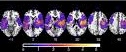
Using stroke-acquired lesions, we established a causal link between target selection signals
and the neural timing of perceptual reports.
2. Brosnan et al. (2023). J. Neurosci.

We present the first evidence that the protective effect of cognitive reserve can be directly observed in the dynamic neural activity (EEG) of older adults.
3. Brosnan et al. (2020). Nat. Hum. Behav.
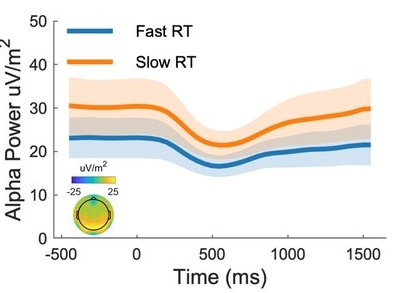
Our data combined diffusion MRI, resting MRI, and EEG to reveal a specific structural and functional network underpinning differences in the rate of sensory evidence accumulation and the timing of perceptual decision.
4. Shalev et al. (2021). Cereb. Cortex. Commun.
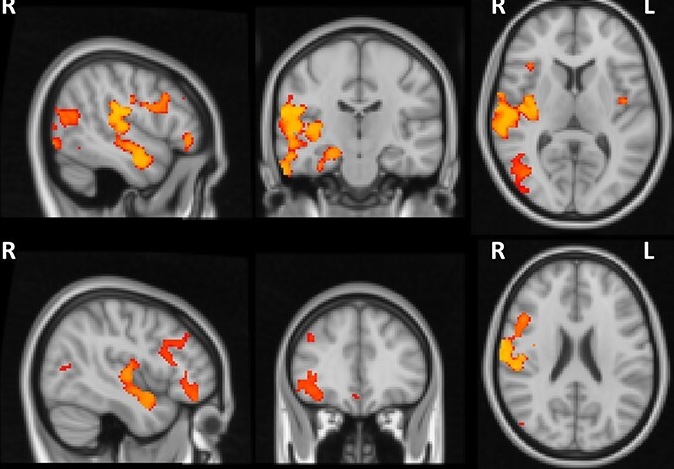
We show the extent to which fronto-parietal structure impacts age-related inhibition is mediated by education.
5. Brosnan et al. (2022). Brain Commun.
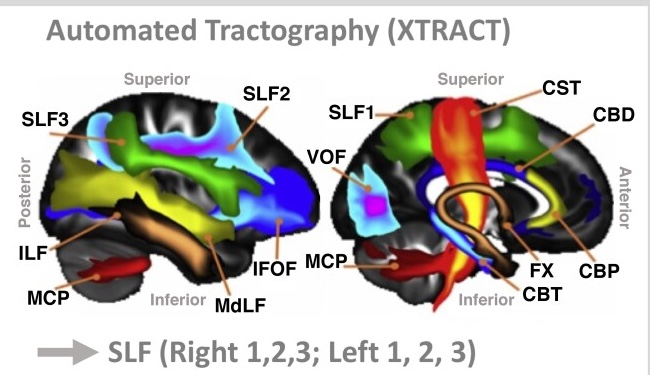
Using diffusion MRI, we show that the microstructural properties of the superior longitudinal fasciculus (SLF) mediate the link between enriched environments and alertness in older adults
6. Subramanian et al. (2016). Brain Commun.
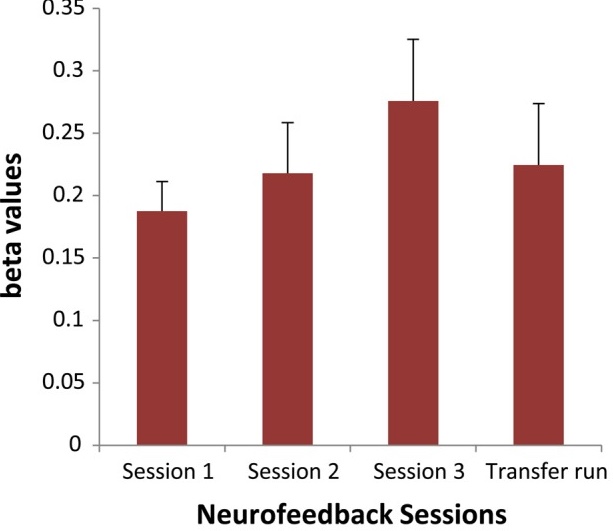
We demonstrate, using fMRI-neurofeedback training with Parkinson’s patients that upregulating frontal lobe activity directly improves motoric clinical symptoms of the disease.
7. Brosnan et al. (2021). J Int. Neuropsychol. Soc.
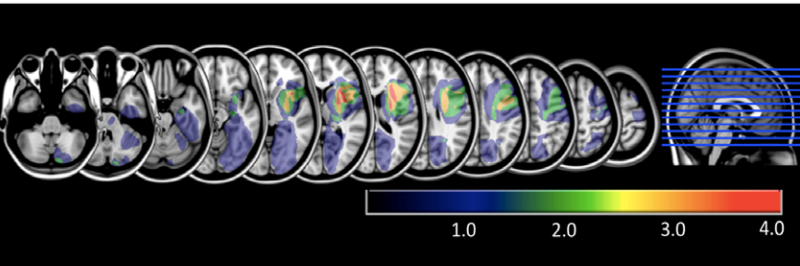
Using a task requiring continuous monitoring of sensory targets over time, we demonstrate a novel approach for capturing sustained attention (concentration) deficits following stroke-acquired lesions to the right hemisphere.
8. Brosnan et al. (2018). J. Cogn. Neurosci.
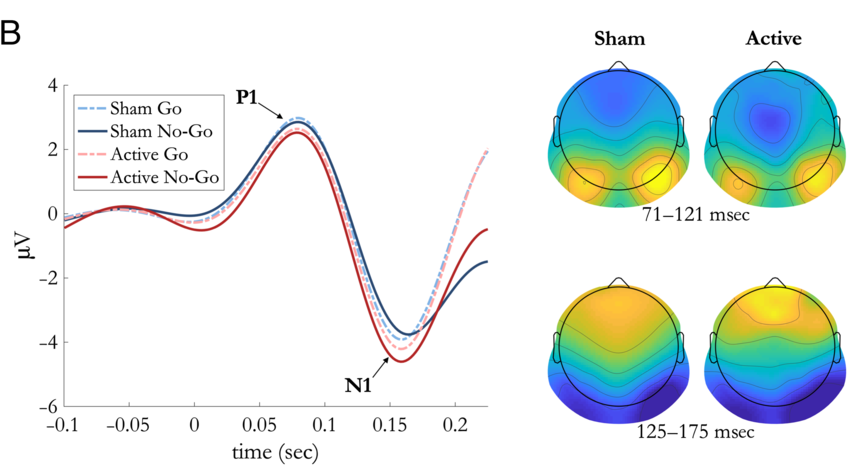
We identified a PFC-mediated mechanism for sustained attention in ageing, showing that modulation of early ERPs underlies this causal effect (via tDCS-EEG).
9. Brosnan et al. (2017). Cereb. Cortex.
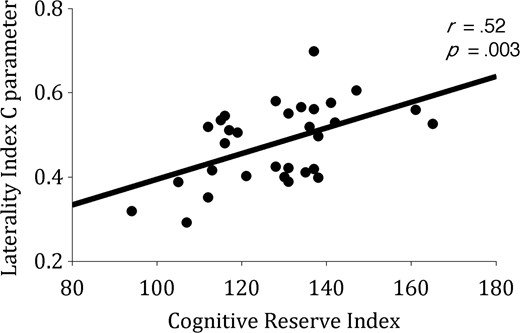
Through combining a computational model of visual attention with tDCS and semi-structured interviews to assay engagement with enriching activities over a lifetime, our evidence suggests that enriched environments alter the right hemisphere’s function. Furthermore, the PFC is shown to play a causal role in maintaining response speed in older adults.
10. McGuigan et al. (2019). Brain.
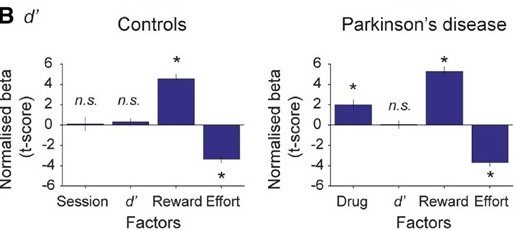
Using an effort-based decision-making framework, we demonstrate that dopamine administration restores the willingness to engage cognitive effort in Parkinson’s patients.